

MAKE
MakeMyEducation Logo
EDUCATION
Study in India navigation icon
Study in India
Study Abroad navigation icon
Study Abroad
Counselling navigation icon
Counselling
Test Prep navigation icon
Test Prep

Hi I ammimi .AI !!

Home/Blogs/Top Universities in Australia for Indian...
Study Abroad

Top Universities in Australia for Indian Students

Shortlist Australia by marks and budget, not hype. See what you can realistically afford, which universities fit your scores, and what the visa, work rights, and post-study options actually look like.

27 August 2026•7 min read
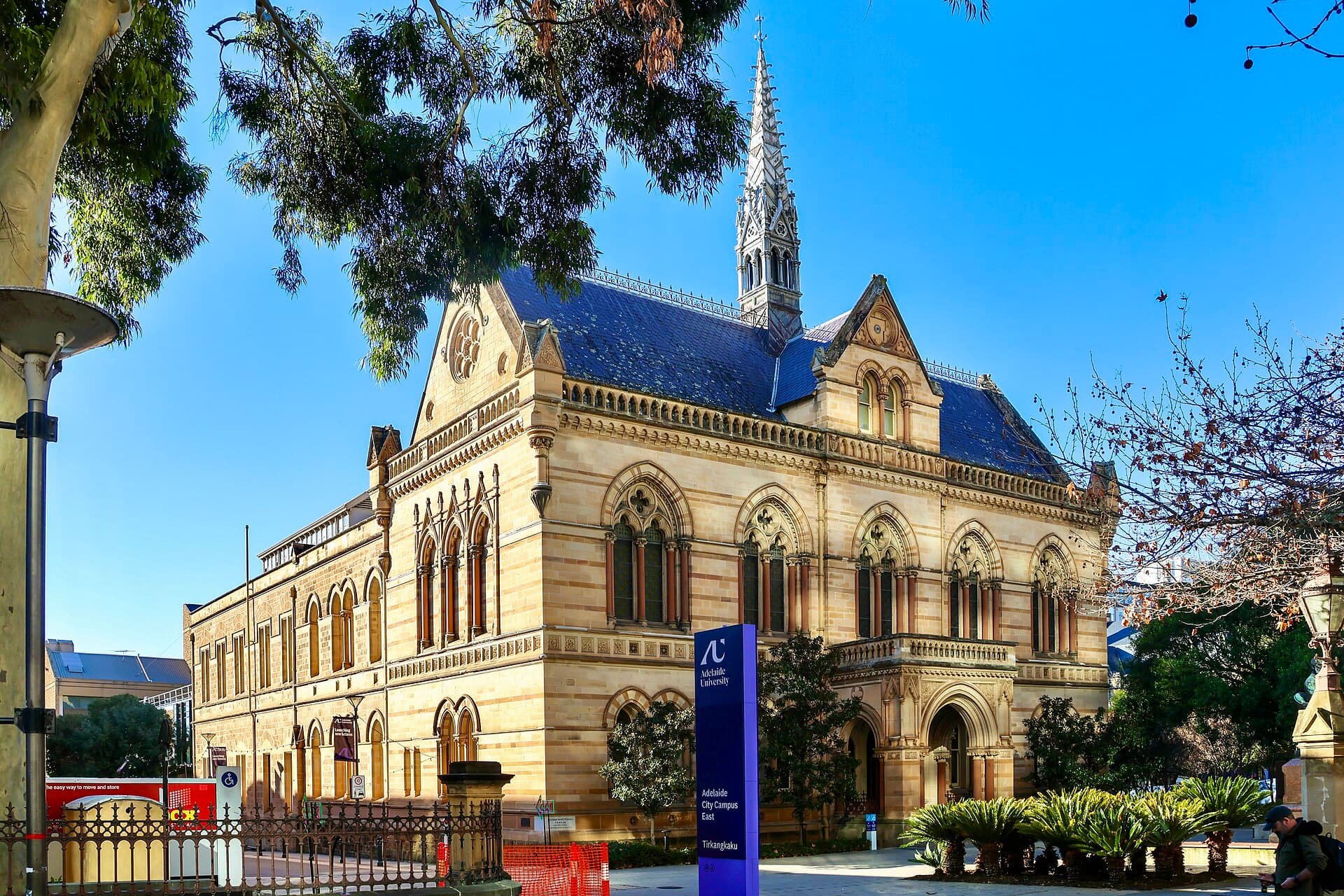
Top Universities in Australia for Indian Students — image 1 of 1

No spam. Unsubscribe whenever you like.

In this article

  1. 1What Australia really costs before you apply
  2. 2Who should shortlist Australia, and who should not
  3. 3A realistic shortlist by marks
  4. 4How to choose a university by course
  5. 5Visa, English score, and the step people get wrong
  6. 6When to apply, in the right order
  7. 7What happens after you graduate
  8. 8What to do next
  9. 9Frequently asked questions

In this article

  1. 1What Australia really costs before you apply
  2. 2Who should shortlist Australia, and who should not
  3. 3A realistic shortlist by marks
  4. 4How to choose a university by course
  5. 5Visa, English score, and the step people get wrong
  6. 6When to apply, in the right order
  7. 7What happens after you graduate
  8. 8What to do next

Still not sure which country fits you?

Half an hour with a counsellor beats a week of reading. They will look at your marks, your budget and your timeline, and tell you what is realistic.

  • 9Frequently asked questions
  • 01

    What Australia really costs before you apply

    The biggest mistake is to look only at tuition. In Australia, the entry cost is front-loaded: you need to show ₹17L for 12 months of living costs, plus first-year tuition and return travel, and that money must be genuine, traceable and available at application.

    On top of that, the Student visa (subclass 500) is a one-off cost of ₹1.4L, and Overseas Student Health Cover is compulsory for the whole visa length at ₹35,000 – ₹1.4L a year. That is why visa plus OSHC alone runs to roughly ₹2.3L before tuition.

    For tuition, the usual range is ₹15L – ₹26L a year for bachelor's study, and ₹17L – ₹29L a year for master's in business, IT, and engineering. Nursing and health usually sit at ₹17L – ₹26L a year. If you want a cheaper pathway, VET diplomas are ₹4.6L – ₹12L a year, but they are a different route from a degree.

    Living costs also change by city. Sydney and Melbourne are the most expensive at ₹1.2L – ₹1.6L a month. Brisbane, Perth, and Adelaide are cheaper at ₹87,000 – ₹1.2L a month. Regional cities are the lowest at ₹70,000 – ₹99,000 a month.


    02

    Who should shortlist Australia, and who should not

    Australia suits you if you want a degree that can lead to part-time work during study and open work rights after study. You can work 48 hours per fortnight during term, and unlimited during scheduled course breaks. After graduation, the Temporary Graduate visa (subclass 485) gives 2 – 3 years, with more time for regional study and higher qualifications.

    This country does not suit you if your budget is tight and you need a very low-cost destination. It also does not suit you if you want a cheap visa process. The visa fee is charged per application, is not returned if you are refused, and the cost rises from 1 July 2026. If you are counting on post-study work, remember that age limits apply on the 485 route, so check the current cap before you plan around it.

    Australia is worth serious attention if you care about a practical degree plus a work option afterwards. It is also one of the few destinations where studying regionally can help twice: it can add an extra year of post-study work rights and add points towards skilled migration.

    Want this applied to your marks?

    A counsellor will take your scores, your budget and your timeline, and tell you which of these paths is actually open to you.

    03

    A realistic shortlist by marks

    For most master's programmes, 65%+ in a bachelor's degree is the basic expectation. Group of Eight universities want 70–75%+. A 3-year Indian bachelor's is accepted for master's entry at most universities, which is a real advantage for Indian applicants.

    Use that to build a shortlist instead of chasing brand names. If your marks are in the middle band, you should look at strong universities outside the very top entry band as well as good regional options. If you are around the 70–75%+ level, you can look at universities that ask for stronger academic profiles and still keep your budget under control by choosing the right city and intake.

    The universities Indian students usually consider first are:

    • University of Melbourne
    • University of Sydney
    • Australian National University
    • UNSW Sydney
    • Monash University
    • University of Queensland

    UNSW Sydney is especially strong in engineering. If you want the full country picture before deciding, start with our Australia country guide and then narrow your list by course and budget.

    04

    How to choose a university by course

    Do not choose the university first and the course later. In Australia, most Indian students pick one of these: Master of Information Technology, Master of Professional Engineering, Master of Nursing, MBA, Master of Data Science, or Master of Professional Accounting.

    If you are going into business, IT, or engineering at master's level, budget ₹17L – ₹29L a year. If you are looking at nursing or health, use ₹17L – ₹26L a year. If you want a bachelor's, the common tuition range is ₹15L – ₹26L a year.

    The real question is whether the course matches your marks and your post-study plan. Engineering and IT are common choices because they align with the 485 work route. Nursing can also be attractive, but you need to be realistic about tuition, living costs, and the written visa case. For a low-cost entry, a VET diploma may look tempting at ₹4.6L – ₹12L a year, but it is not the same as a university degree and should only be chosen if that pathway fits your goal.

    05

    Visa, English score, and the step people get wrong

    The Student visa is subclass 500. The current fee on the verified list is ₹1.4L, and it is non-refundable if you are refused. Processing takes 4 to 12 weeks, varying by institution risk rating. Do not book flights until the visa is granted.

    For English, the usual university benchmark is IELTS Academic 6.5 overall with 6.0 in each band. PTE Academic is 58 – 64, and TOEFL iBT is 79 – 94. The visa itself requires 6.0 minimum in IELTS terms, so your university rule can be stricter than the visa rule.

    The step people get wrong is the Genuine Student requirement. It replaced the Genuine Temporary Entrant test in 2024. It is a written statement about why this course, why Australia, and what you intend afterwards, and it is assessed seriously. Write it yourself. Generic answers are the most common refusal reason.

    The financial evidence must also be clean. Show ₹17L for 12 months of living costs plus tuition, with bank statements, loan sanctions, or sponsor documents that clearly trace the money.

    06

    When to apply, in the right order

    Australia has three intake windows, but the main one is Semester 1. That means February – March intake, with applications usually due by September – November. Semester 2 is July – August, with applications by April – May. There is also a limited Summer / November intake, with applications by August.

    Work backwards from the visa. First, receive an offer and pay the deposit; that deposit converts the offer into a Confirmation of Enrolment, which the visa application needs. Do this 4 – 8 months before you want to start. With the deposit, arrange OSHC so it runs for the entire visa period, not just the course.

    Then write the Genuine Student statement, assemble financial evidence, lodge online, and complete health checks such as a medical at a panel clinic and biometrics where requested. If you are unsure about the order or the documents, a counsellor can help once, but the actual statement and financial papers still need to be yours.

    07

    What happens after you graduate

    After study, the main route is the Temporary Graduate visa (subclass 485). It gives 2 years for a bachelor's or master's by coursework, 3 years for a master's by research, and longer for regional study. It comes with open work rights with any employer.

    The fee for the 485 route is ₹3.3L. If you are thinking beyond the first job, there is also a pathway from 485 into skilled migration through a points-tested visa such as 189, 190, or 491. Regional study and regional work both add points, but occupation lists change, so check that your field is still listed before you choose a course for migration reasons.

    This is where Australia can justify its higher entry cost for the right student. You are paying more upfront, but you are also getting a clearer post-study work route than many countries offer.

    08

    What to do next

    Start by checking your marks against the 65%+ and 70–75%+ bands, then shortlist courses, not just universities. Next, add up tuition, living costs, OSHC, and visa fees before you apply. If you are unsure where you fit, compare cities and intakes first, then confirm the current visa details on the official visa page.

    09

    Frequently asked questions

    Which Australian universities are realistic for Indian students?

    The common shortlist includes the University of Melbourne, University of Sydney, Australian National University, UNSW Sydney, Monash University, and University of Queensland.

    How much money do I need to show for the Australia student visa?

    You must show ₹17L for 12 months of living costs, plus first-year tuition and return travel, and the funds must be genuine, traceable and available at application.

    How many hours can I work while studying in Australia?

    You can work 48 hours per fortnight during term and unlimited during scheduled course breaks.

    What is the minimum English score for Australia?

    The usual university benchmark is IELTS Academic 6.5 overall with 6.0 in each band. PTE Academic is 58 – 64 and TOEFL iBT is 79 – 94.

    How long can I stay in Australia after graduation?

    The Temporary Graduate visa (subclass 485) gives 2 years for a bachelor's or master's by coursework, 3 years for a master's by research, and longer for regional study.

    Is a 3-year Indian bachelor's accepted for a master's in Australia?

    Yes, a 3-year Indian bachelor's is accepted for master's entry at most Australian universities.

    Featured blogs

    View all posts
    Confused After Class 12? A Counsellor's Simple Framework to Choose the Right Course — cover

    Make My Education • 01 Jul 2026

    Confused After Class 12? A Counsellor's Simple Framework to Choose the Right Course

    Almost nobody has it figured out at seventeen — and you do not need to. A four-step framework that turns “what should I do with…

    • Career Guidance
    • Class 12
    NEET Counselling Demystified: All India Quota vs State Quota Explained Simply — cover

    Make My Education • 01 Jul 2026

    NEET Counselling Demystified: All India Quota vs State Quota Explained Simply

    The counselling after NEET confuses more students than the exam did. All India Quota versus State Quota, how a round actually…

    • Medical
    • NEET
    Got Your JEE Rank? Here's How to Actually Choose the Right Engineering College — cover

    Make My Education • 26 Jun 2026

    Got Your JEE Rank? Here's How to Actually Choose the Right Engineering College

    “Which is the best college I can get?” is the right question asked the wrong way. Branch versus brand, how to read a placement…

    • Engineering
    • JEE