

MAKE
MakeMyEducation Logo
EDUCATION
Study in India navigation icon
Study in India
Study Abroad navigation icon
Study Abroad
Counselling navigation icon
Counselling
Test Prep navigation icon
Test Prep
Home/Blogs/Italy Student Visa: Key Steps, Costs & Common...
Study Abroad

Italy Student Visa: Key Steps, Costs & Common Pitfalls

Avoid visa refusals by completing Italy's compulsory Universitaly pre-enrolment and Declaration of Value early. Know fees, deadlines, and work rights before you apply.

04 September 2026•5 min read
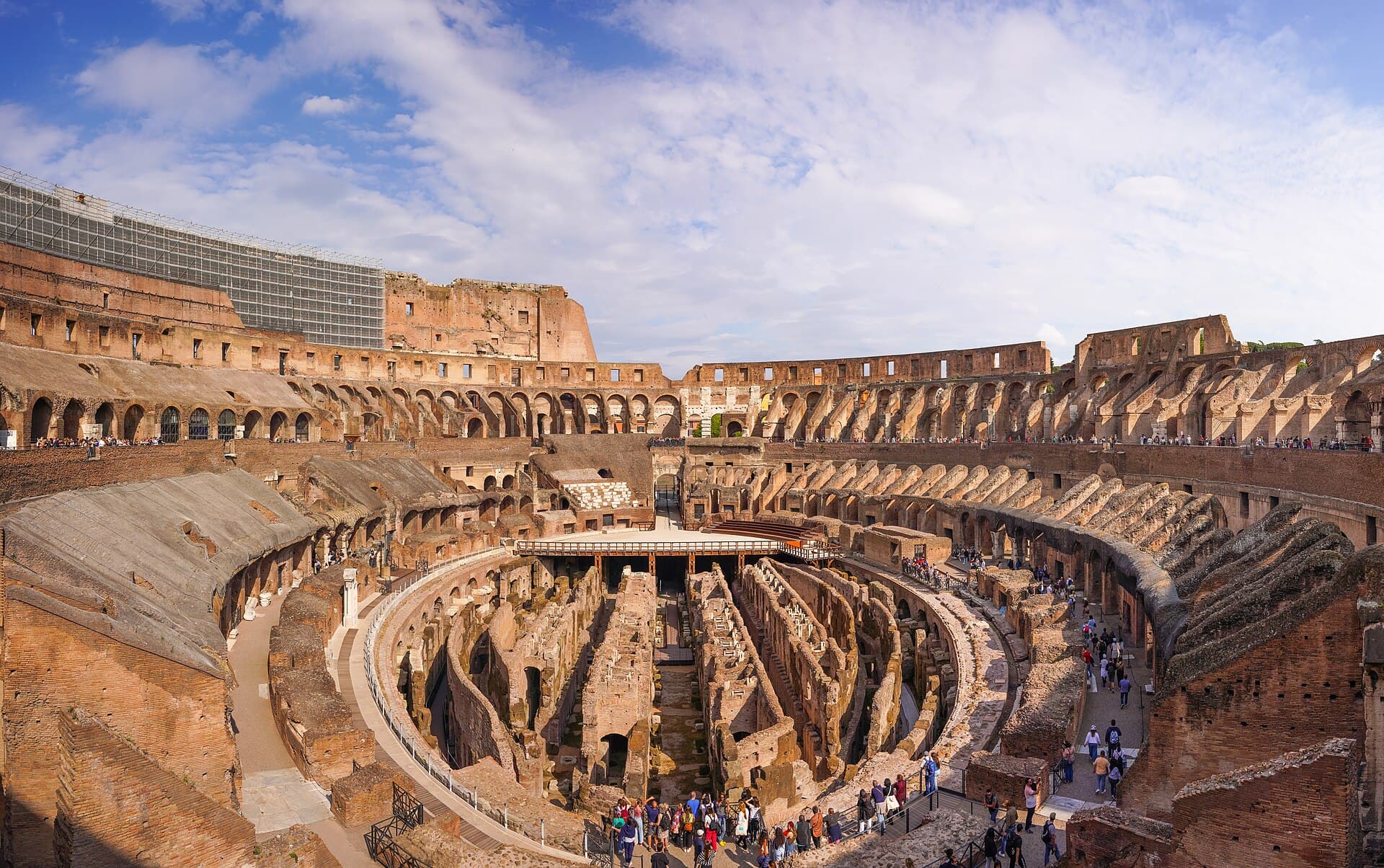
Italy Student Visa: Key Steps, Costs & Common Pitfalls — image 1 of 1

No spam. Unsubscribe whenever you like.

In this article

  1. 1Why Many Italy Student Visa Applications Are Refused
  2. 2Step-by-Step Italy Student Visa Process and Timeline
  3. 3Costs You Must Budget For
  4. 4Work Rights While Studying and After Graduation
  5. 5Academic and Language Requirements
  6. 6Intakes and Application Deadlines
  7. 7Scholarships and Financial Aid
  8. 8Where to Get More Information
  9. 9What to do next
  10. 10Frequently asked questions

In this article

  1. 1Why Many Italy Student Visa Applications Are Refused
  2. 2Step-by-Step Italy Student Visa Process and Timeline
  3. 3Costs You Must Budget For
  4. 4Work Rights While Studying and After Graduation
  5. 5Academic and Language Requirements
  6. 6Intakes and Application Deadlines
  7. 7Scholarships and Financial Aid
  8. 8

Still not sure which country fits you?

Half an hour with a counsellor beats a week of reading. They will look at your marks, your budget and your timeline, and tell you what is realistic.

Where to Get More Information
  • 9What to do next
  • 10Frequently asked questions
  • 01

    Why Many Italy Student Visa Applications Are Refused

    The most common reason for Italy student visa refusals is skipping or missing the Universitaly pre-enrolment. This step is compulsory and must be completed by the published deadline before you apply for the visa. The Italian consulate reviews your pre-enrolment before your visa file.

    Another frequent cause of delay or refusal is not starting early enough on the Declaration of Value (DoV) or the CIMEA statement of comparability for your Indian qualifications. These legalisations and translations take weeks, so begin this process well before your visa application.

    Finally, the ISEE Parificato income assessment is crucial. It sets your tuition fee band and unlocks the DSU grant. Skipping it means you pay the highest tuition band by default, which can cause financial issues that affect your visa approval.


    02

    Step-by-Step Italy Student Visa Process and Timeline

    Follow these steps carefully to avoid delays or refusals:

    • January – May: Apply to universities and get admission. Many programmes admit based on documents alone; some require entrance tests.
    • Before enrolment: Complete the Universitaly pre-enrolment. This is mandatory and has earlier deadlines than many expect.
    • Start early: Obtain the Declaration of Value (DoV) or CIMEA statement from the Italian consulate in India. This can take several weeks.
    • Before enrolment: Prepare the ISEE Parificato through a CAF office. This income assessment sets your tuition fee band and DSU grant eligibility.
    • 6–8 weeks before travel: Apply for the Type D national student visa at VFS with your admission letter, pre-enrolment confirmation, proof of funds, accommodation evidence, and health insurance.
    • Within 8 days of arrival: Apply for the residence permit (permesso di soggiorno) at the post office and then the questura. This deadline is strict and missing it can cause legal issues.

    Want this applied to your marks?

    A counsellor will take your scores, your budget and your timeline, and tell you which of these paths is actually open to you.

    03

    Costs You Must Budget For

    Here are the main costs you will face:

    ItemCost Range (₹)Notes
    Tuition (public universities)₹86,000 – ₹3.8L per yearMeans-tested by family income via ISEE Parificato
    Tuition (private universities)₹12L – ₹24L per yearExamples: Bocconi, IED, NABA
    Living expenses₹7.7L – ₹12L per yearHigher in Milan and Rome; lower in Bologna, Turin, Padua, Pisa
    Student visa fee (Type D)₹5,000 – ₹11,000 one-offPay at application
    Residence permit (permesso di soggiorno)₹10,000 – ₹14,000 one-offApply within 8 days of arrival
    Health insurance / SSN registration₹14,000 per year approx.Mandatory for visa and residence permit

    Remember, skipping the ISEE Parificato means paying the highest tuition band automatically. Also, proof of funds of roughly ₹5.8L – ₹6.7L for one year plus accommodation evidence is required for the visa.

    04

    Work Rights While Studying and After Graduation

    While studying, you can work up to 20 hours per week, totaling a maximum of 1,040 hours per year. This can help cover some living costs but is unlikely to cover tuition.

    After graduation, you can apply for a post-study residence permit called permesso di soggiorno per attesa occupazione. This allows you to stay and work full-time in Italy for 12 months while seeking employment. Once employed, this permit can convert into a work permit.

    05

    Academic and Language Requirements

    For master's programmes, a 3-year Indian bachelor's degree is accepted, but you must obtain a Declaration of Value (DoV) or a CIMEA statement of comparability for your Indian qualifications.

    English-taught programmes require an IELTS Academic score of 6.0 – 6.5 or TOEFL iBT score of 80. For Italian-taught programmes, you need an Italian language certificate at B1 – B2 level (CILS or CELI).

    06

    Intakes and Application Deadlines

    The main intake is in September – October. You should apply to universities between January and May for this intake. Some programmes offer a smaller spring intake in February – March, with applications due by October.

    Note that the Universitaly pre-enrolment deadlines are earlier than many students expect, so plan accordingly.

    07

    Scholarships and Financial Aid

    Italy offers valuable need-based scholarships that can significantly reduce your costs:

    • DSU regional right-to-study grants: Cover tuition, provide a stipend of roughly ₹4.8L – ₹6.7L, and include subsidised accommodation and meals. Eligibility depends on your ISEE income assessment and passing exams.
    • Invest Your Talent in Italy: For Indian students on selected master's programmes, this scholarship offers ₹7.7L plus tuition waiver and an internship.
    • Politecnico di Milano merit awards: For high-scoring international applicants, these provide tuition waivers plus ₹4.8L – ₹9.6L.

    Applying for the ISEE Parificato is essential to access these benefits.

    08

    Where to Get More Information

    For full details on courses, universities, and the application process, visit our Italy country guide. Official sources include:

    • Study in Italy
    • Universitaly pre-enrolment
    • CIMEA qualification recognition
    09

    What to do next

    Start your Italy student visa application early. Complete the Universitaly pre-enrolment and get your Declaration of Value well before the visa deadline. Prepare your ISEE Parificato to reduce tuition fees and access scholarships. Budget for living costs and visa fees, and remember to apply for your residence permit within 8 days of arrival.

    10

    Frequently asked questions

    What is the Universitaly pre-enrolment and why is it important?

    It is a compulsory online registration step before applying for the visa. The Italian consulate reviews it first. Missing it or missing its deadline often causes visa refusals.

    How long does the Italy student visa take to process?

    The visa processing time is between 3 to 6 weeks after you submit your application at VFS.

    Do I need to know Italian to study in Italy?

    Not for English-taught master's programmes, which are common. However, Italian is needed for part-time work and most graduate jobs.

    How much money do I need to show for the visa?

    You must prove roughly ₹5.8L – ₹6.7L for one year plus accommodation evidence.

    Can I work while studying in Italy?

    Yes, you can work up to 20 hours per week, totaling 1,040 hours per year.

    Is a 3-year Indian bachelor's degree accepted for master's in Italy?

    Yes, but you must get a Declaration of Value or CIMEA comparability statement for your degree.

    Featured blogs

    View all posts
    Confused After Class 12? A Counsellor's Simple Framework to Choose the Right Course — cover

    Make My Education • 01 Jul 2026

    Confused After Class 12? A Counsellor's Simple Framework to Choose the Right Course

    Almost nobody has it figured out at seventeen — and you do not need to. A four-step framework that turns “what should I do with…

    • Career Guidance
    • Class 12
    NEET Counselling Demystified: All India Quota vs State Quota Explained Simply — cover

    Make My Education • 01 Jul 2026

    NEET Counselling Demystified: All India Quota vs State Quota Explained Simply

    The counselling after NEET confuses more students than the exam did. All India Quota versus State Quota, how a round actually…

    • Medical
    • NEET
    Got Your JEE Rank? Here's How to Actually Choose the Right Engineering College — cover

    Make My Education • 26 Jun 2026

    Got Your JEE Rank? Here's How to Actually Choose the Right Engineering College

    “Which is the best college I can get?” is the right question asked the wrong way. Branch versus brand, how to read a placement…

    • Engineering
    • JEE