

Study Abroad navigation icon
Study Abroad
Study in India navigation icon
Study in India
Counselling navigation icon
Counselling
Certifications navigation icon
Certifications
Exams navigation icon
Exams

Hi I ammimi .AI !!

Home/Blogs/Australia post-study work rights: how long you...
Study Abroad

Australia post-study work rights: how long you can stay

Australia gives you 2–3 years of post-study work on the 485 visa, but the entry bill is front-loaded. Know the real costs, visa rules, and whether regional study helps before you decide.

12 September 2026•7 min read
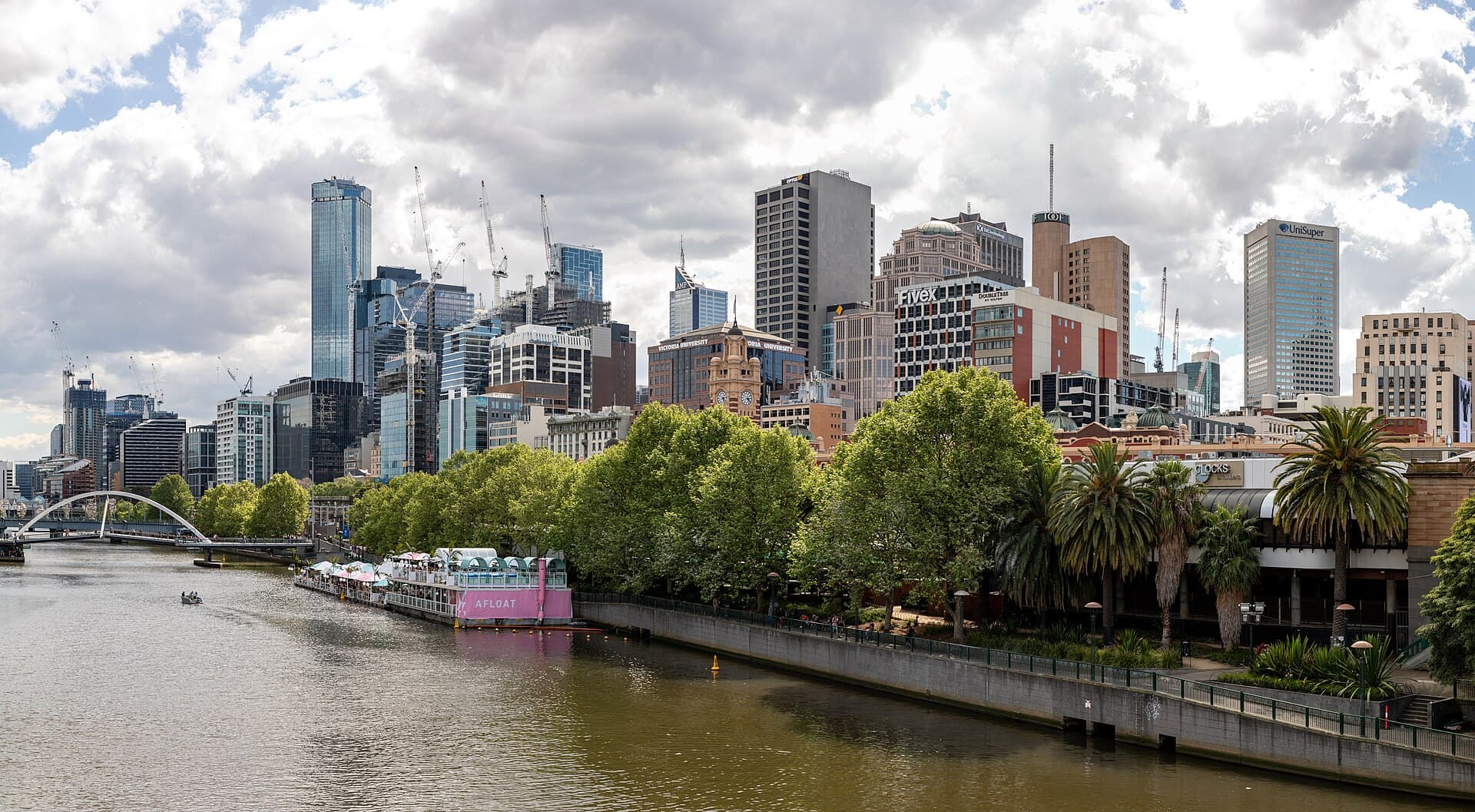
Australia post-study work rights: how long you can stay — image 1 of 1

No spam. Unsubscribe whenever you like.

In this article

  1. 1The real question: how long can you stay after study?
  2. 2What you will actually spend
  3. 3Can you work while studying, and does it help?
  4. 4Which courses and universities are realistic
  5. 5How hard is the visa, and why do people get refused?
  6. 6After graduation: is settling realistic?
  7. 7The budget-sensitive route and the scholarships to know about
  8. 8What to do next
  9. 9Frequently asked questions

In this article

  1. 1The real question: how long can you stay after study?
  2. 2What you will actually spend
  3. 3Can you work while studying, and does it help?
  4. 4Which courses and universities are realistic
  5. 5How hard is the visa, and why do people get refused?
  6. 6After graduation: is settling realistic?
  7. 7The budget-sensitive route and the scholarships to know about

Still not sure which country fits you?

Half an hour with a counsellor beats a week of reading. They will look at your marks, your budget and your timeline, and tell you what is realistic.

8
What to do next
  • 9Frequently asked questions
  • 01

    The real question: how long can you stay after study?

    If you want to work in Australia after your degree, the key visa is the Temporary Graduate visa, subclass 485. It gives you 2 – 3 years of post-study work rights, with longer stays for regional study.

    That is the main reason students pick Australia. You are not just paying for a degree. You are buying time to work after it. The catch is that the entry cost is high and the money has to be ready before you apply.

    If you are comparing Australia against cheaper destinations, start with the part most people miss: the visa and health cover alone already cost money before tuition begins. For the full student journey, see our Australia country guide.


    02

    What you will actually spend

    Australia is not a low-budget option. Tuition is usually ₹15L – ₹26L a year for a bachelor's degree, and ₹17L – ₹29L a year for a master's in business, IT or engineering. Nursing and health sit at ₹17L – ₹26L a year. Vocational diplomas are much cheaper at ₹4.6L – ₹12L a year.

    Living costs also vary sharply by city. Sydney and Melbourne are the most expensive at ₹1.2L – ₹1.6L / month. Brisbane, Perth and Adelaide are lower at ₹87,000 – ₹1.2L / month. Regional cities are the cheapest at ₹70,000 – ₹99,000 / month.

    For visa purposes, you must show ₹17L for 12 months of living costs, plus first-year tuition and return travel. That number is not optional. It is the figure the visa requires you to show. Living costs on paper are one thing; the money you need to prove at application time is another.

    Cost itemVerified figureWhat it means for you
    Bachelor's tuition₹15L – ₹26L / yearTypical entry cost for undergrad study
    Master's tuition₹17L – ₹29L / yearCommon for business, IT and engineering
    VET diploma tuition₹4.6L – ₹12L / yearLower-cost route if you want a tighter budget
    Living cost to show for visa₹17LMust be available and traceable
    Student visa fee₹1.4LNon-refundable if refused
    OSHC₹35,000 – ₹1.4L / yearCompulsory for the whole visa length

    Want this applied to your marks?

    A counsellor will take your scores, your budget and your timeline, and tell you which of these paths is actually open to you.

    03

    Can you work while studying, and does it help?

    Yes. On the student visa, you can work 48 hours per fortnight during term, and unlimited during scheduled course breaks. That helps, but it does not erase the upfront cost of getting in.

    Do not assume part-time work will cover everything. It can help with rent, food and day-to-day expenses, especially if you study in a lower-cost city. But tuition, visa charges and the proof-of-funds requirement still come first.

    This is why Australia suits students who can fund the first year properly, or who are choosing a cheaper course path like VET, a regional city, or a scholarship-backed university offer. It is a weaker fit if your budget is so tight that you are depending on term-time work to make the numbers work.

    04

    Which courses and universities are realistic

    For master's entry, most universities accept a 65%+ bachelor's degree, and Group of Eight universities want 70–75%+. A 3-year Indian bachelor's is accepted for master's entry at most universities. That matters if you are worried your degree length will block you.

    For English, the common benchmarks are IELTS Academic 6.5 overall, 6.0 in each band, PTE Academic 58 – 64, or TOEFL iBT 79 – 94. The visa itself requires a minimum of 6.0 in IELTS terms.

    If you want safer admission targets, look at universities that are clearly CRICOS-registered and already known to take international students. Examples from our verified list include the University of Technology Sydney, Macquarie University, University of Newcastle, University of Wollongong, Western Sydney University, Charles Sturt University, RMIT University, Deakin University, La Trobe University, Swinburne University of Technology, Federation University Australia, Queensland University of Technology, Griffith University, Flinders University, Curtin University, Edith Cowan University, Murdoch University, Charles Darwin University and University of Canberra.

    If migration is part of your thinking, remember this: occupation lists change, so you should confirm your field is still useful before choosing a course mainly for migration reasons.

    05

    How hard is the visa, and why do people get refused?

    The student visa is Student visa (subclass 500). Processing takes 4 to 12 weeks, varying by institution risk rating. The fee is ₹1.4L from 1 July 2026, and the fee is charged per application and is not returned if you are refused.

    Most refusals are not random. They often come from weak paperwork, especially the Genuine Student statement and financial evidence. The Genuine Student requirement replaced the old Genuine Temporary Entrant test in 2024. It is a written statement about why this course, why Australia, and what you intend afterwards. Write it yourself. Generic answers are the most common refusal reason.

    Your financial evidence must be genuine, traceable and available at application. You can use bank statements, loan sanctions and sponsor documents if the money can be tracked properly. Do not book flights until the visa is granted.

    Visa stepWhat to doWhen
    Offer and depositGet the offer, pay the deposit and receive the CoE4 – 8 months before
    OSHCArrange cover for the full visa periodWith the deposit
    Genuine Student statementExplain your study history, ties to India and plans after studyBefore lodging
    Financial evidenceShow ₹17L plus tuition, traceable and availableBefore lodging
    Apply onlineLodge in ImmiAccount and complete checks if asked3 – 4 months before
    DecisionWait for grant before making travel bookings4 – 12 weeks
    06

    After graduation: is settling realistic?

    The 485 visa gives you open work rights with any employer. That makes Australia more practical than countries where post-study work is tightly restricted. It is also why regional study matters: studying outside Sydney, Melbourne and Brisbane can give you an extra year of post-study work rights and extra points in the skilled migration system.

    That said, a 485 visa is not the same as permanent residence. It is a bridge, not a guarantee. If you want to settle, the usual next step is to move from 485 into a points-tested skilled visa such as 189/190/491. Your field, your points, your English score and whether your occupation stays on the relevant list all matter.

    This is the honest answer: Australia is one of the better countries if your real goal is to study, work for a few years, and then try for a longer stay. It is less suitable if you need a low-cost degree with a near-certain settlement path. For many Indian families, that trade-off is the whole decision.

    07

    The budget-sensitive route and the scholarships to know about

    If money is tight, your strongest options are a VET diploma, a regional city, or a university with a merit scholarship. VET diplomas cost ₹4.6L – ₹12L / year, which is far below most university courses. Regional living costs are also lower at ₹70,000 – ₹99,000 / month.

    Among the scholarships we verified, Destination Australia offers ₹8.7L / year for students at regional campuses. University merit scholarships often cut tuition by 10 – 50% and are sometimes applied automatically. Deakin also offers a dedicated international scholarship worth 50% or 100% of tuition fees. Australia Awards Scholarships exist, but the India stream is currently closed, so do not plan your budget around it.

    Scholarships can change fast. Confirm the current status on the official scholarship page before you build a plan around them.

    08

    What to do next

    First, check whether your budget can handle tuition, OSHC and the visa proof-of-funds rule without depending on part-time work. Then compare one metro option and one regional option, and confirm the current visa and scholarship status on the official pages before you apply.

    09

    Frequently asked questions

    How long can I stay in Australia after my degree?

    You can stay for 2 – 3 years on the Temporary Graduate visa (subclass 485), with longer stays for regional study.

    Can I work full-time while studying in Australia?

    No. You can work 48 hours per fortnight during term and unlimited during scheduled course breaks.

    How much money do I need to show for the visa?

    You must show ₹17L for 12 months of living costs, plus first-year tuition and return travel.

    Is a 3-year Indian bachelor's accepted for master's entry?

    Yes, at most Australian universities.

    Why do student visa refusals happen?

    The most common problems are a weak Genuine Student statement and financial evidence that is not clear, genuine or traceable.

    Does regional study help with settlement?

    Yes. It can give you an extra year on the 485 visa and extra points in the skilled migration system.

    Featured blogs

    View all posts

    Confused After Class 12? A Counsellor's Simple Framework to Choose the Right Course

    Make My Education • 01 Jul 2026

    Almost nobody has it figured out at seventeen — and you do not need to. A four-step framework that turns “what should I do with…

    • Career Guidance
    • Class 12
    Read more

    NEET Counselling Demystified: All India Quota vs State Quota Explained Simply

    Make My Education • 01 Jul 2026

    The counselling after NEET confuses more students than the exam did. All India Quota versus State Quota, how a round actually…

    • Medical
    • NEET
    Read more

    Got Your JEE Rank? Here's How to Actually Choose the Right Engineering College

    Make My Education • 26 Jun 2026

    “Which is the best college I can get?” is the right question asked the wrong way. Branch versus brand, how to read a placement…

    • Engineering
    • JEE
    Read more